What is the best way to avoid blocked drains?
The best way is to take preventive measures to avoid your drains from becoming clogged in the first place. Improper drainage leads to increased pressure inside the drain that can cause ruptures in the pipe system.
So by taking a few simple steps, one can significantly reduce the chances of your kitchen drain becoming clogged. You can easily keep the water running freely down the hole for years and prevent your drains from being blocked.
Ways to prevent a blocked drain:
Using plug screens:
Using a plug screen over plug holes will prevent debris and other solid substances from going down the drain.
In the kitchen, Plug screens prevent food wastage from seeping into the drain.
Plug screens ensure that hair, soap, and beauty products do not enter the plumbing system in the bathrooms. Choose from among the variety of available filter sizes.
What to do if I do not have plug screens?
In the kitchen, do not pour grease or oil down the drain pipes. Oil solidifies and sets within the pipe, creating a rigid block that is not easy to get rid of.
In the bathroom, ensure that you catch hair and other substances before they enter the drainage.
Using Drain Blockers:
Anything other than human waste toilet paper can easily get clogged in the drain pipes. Baby wipes, small bottles, and toys do not easily break down and degrade in the same way as the former and lead to blocked toilets.
Small debris and sticky material become big clogs that can block the pipes. Using eco-friendly substances such as hot water, baking soda, and vinegar can help to unclog the pipes.
A cup of boiling water-A cup of baking soda-A cup of vinegar- A cup of boiling water.
This procedure might help to unclog any drains for temporary purposes. But if you face the problem of clogged toilets, now and then, it’s always advisable to consult a blocked drain plumber instead of letting the problem turn into unavoidable repairs.
Using a Plunger:
If the water is draining slowly, you can fill the sink and use a plunger for the drain. However, vigorous plunging can break the seal of the pipes, so it’s important to use the plunger gently.
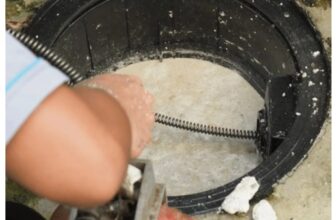
Using drain cleaning equipment:
Natural debris like trees, shrubs, and dirt can clog the water drains after spring and autumn. Even emerging tree roots can head straight from the drains.
Keep the outdoor area clean of debris, plants, and leaves and clear the outdoor area of fallen leaves. If your trees are well watered, they will not route towards drains in search of moisture. If the drains have already clogged due to plant ingrowth or collected leaves, then specialized drain cleaning equipment can temporarily restore clean pipes.
Conclusion
Any problem always requires a permanent solution to keep good maintenance in the long run. While you can find temporary alternatives for heavy problems, some problems still require plumbing services immediately. Clearing blocked drains must be of high priority to avoid any widespread or underlying diseases to any family member.
You might never know with kids or the weather. Always be on alert if you notice any discrepancy in the water-sensitive areas. If you are doubtful about DIY solutions, never hesitate to call an emergency plumber, since these trivial issues are like bread butter for them!