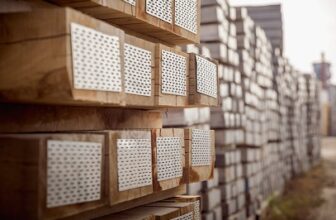
Wooden sleepers have been a crucial component of railway infrastructure for centuries, providing the necessary support, flexibility, and durability for tracks worldwide. Among their many applications, bridge wooden railway sleepers stand out due to their unique role in ensuring stability, load distribution, and resilience in bridge structures.
What are bridge wooden sleepers?
Bridge wooden sleepers are specialized timber beams used on railway bridges to support steel tracks and distribute the weight of passing trains. These sleepers differ from standard ones due to the additional loads and stress they endure in elevated structures.
Unlike sleepers used on regular tracks, bridge sleepers must be more resistant to moisture, decay, and heavy loads. They are often treated with preservatives to enhance their longevity and prevent damage from environmental factors.
Why are wooden sleepers used on railway bridges?
With modern alternatives like concrete and steel, one might wonder why wooden sleepers remain a preferred choice for railway bridges. Wood naturally absorbs vibrations, reducing the stress on the bridge structure. Unlike concrete, which is rigid, wooden sleepers provide a cushioning effect, minimizing the impact of train movements.
Compared to concrete and steel, wood is significantly lighter. This is especially beneficial for railway bridges, where excessive weight can lead to structural strain. Despite their lighter nature, wooden sleepers offer exceptional strength and durability. Wooden sleepers are easier to install, replace, and maintain compared to concrete alternatives. Their adaptability makes them a practical choice for railway engineers looking for a cost-effective solution.
Wooden sleepers generally have a lower initial cost than steel or concrete alternatives, making them an attractive option for railway projects with budget constraints. Properly treated wooden sleepers can withstand extreme temperatures and moisture, ensuring they remain functional for extended periods.
Types of wood used for bridge railway sleepers
Not all wood types are suitable for sleepers. The choice of timber depends on its strength, durability, and resistance to environmental damage.
Oak is widely regarded as one of the best materials for railway sleepers due to its exceptional strength and long-lasting durability. This hardwood has been used in railway construction for centuries, proving its ability to withstand heavy loads, constant pressure, and harsh environmental conditions. Its dense grain structure ensures that it remains intact even under extreme weather, making it a reliable choice for supporting rail tracks over long periods.
One of the key advantages of oak is its natural resistance to pests and decay. Unlike softer woods that may be vulnerable to insect infestations or rot, oak contains high levels of tannins that act as a natural deterrent against fungi and wood-boring insects. This makes it particularly valuable in humid or damp environments where wood degradation is a common concern. As a result, oak sleepers require less maintenance and replacement compared to other timber alternatives.
The manufacturing process
To ensure that bridge wooden sleepers can withstand the test of time, they undergo a strict manufacturing and treatment process. Only high-quality, dense woods are selected for sleepers. The wood is cut into precise dimensions based on railway specifications. The wood is dried to reduce moisture content. This process minimizes the risk of warping, cracking, and fungal growth.
To extend the lifespan of the sleepers, they are treated with preservatives like creosote, copper-based solutions, or borate. This treatment protects against termites, rot, and moisture damage. Before installation, each sleeper undergoes rigorous quality control tests to ensure it meets industry standards. Strength tests, moisture resistance tests, and load-bearing capacity checks are conducted.
Are wooden sleepers still the best choice for railway bridges?
Despite the rise of concrete and steel alternatives, bridge wooden sleepers remain a reliable, cost-effective, and environmentally sustainable choice for railway infrastructure. Their flexibility, shock absorption properties, and ease of maintenance make them an excellent option for bridges, ensuring safe and efficient train operations.
With advancements in treatment and sustainability, wooden sleepers are likely to continue playing a vital role in railway engineering for decades to come. Whether for heritage railways or modern high-speed tracks, bridge wooden railway sleepers prove that traditional materials can still meet contemporary demands with the right innovations.