In every modern construction project, natural materials play an essential role. They bring balance between functionality and respect for the environment. Wood is one of the most appreciated materials due to its unique properties of strength, adaptability, and natural beauty. Used for centuries in architecture, it continues to be a key element in projects that combine tradition and innovation.
Every piece of wood carries part of nature within it. Its texture, color, and scent create an emotional connection between people and the environment. For this reason, more and more construction and interior design projects use wood as a primary element. It transforms spaces into warm, welcoming, and authentic places.
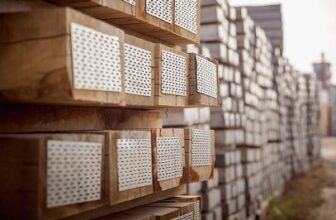
In infrastructure and transport, wood remains a fundamental material because of its versatility. A relevant example of its use can be seen in railway sleepers, the components that support and stabilize railway tracks. These elements combine wood’s durability with the performance required by modern transportation, proving that natural materials can remain competitive even in the age of advanced technology.
The art of wood processing
Wood processing is an art passed down from generation to generation. Every stage, from selection to finishing, contributes to the final quality of the product. In the construction industry, wood is used for structures, decorative elements, and furniture because it balances weight and strength perfectly. Unlike synthetic materials, it can be shaped easily while maintaining its natural durability.
Today, modern wood processing uses sustainable technologies that reduce waste and increase efficiency. Heat treatments and moisture protection ensure longer durability and a constant appearance over time. These innovations make wood a strong competitor to other materials while keeping its authenticity. Builders appreciate that wood can easily adapt to both traditional and contemporary projects.
When talking about the use of wood, we can highlight several clear advantages:
- It is a natural and renewable material that is environmentally friendly.
- It offers excellent thermal and acoustic insulation.
- It has an aesthetic appearance suitable for any architectural style.
Wood in the sustainable projects of today
The concept of sustainability has become a central focus in all fields, including construction. Choosing wood for modern projects is a responsible decision that combines technical performance with environmental protection. Wood comes from renewable sources and can be recycled or reused, significantly reducing its environmental impact. In addition, its production process consumes less energy compared to industrial materials.
Another major advantage is wood’s ability to contribute to thermal comfort and lower energy costs. Wooden structures maintain a constant temperature, creating a pleasant indoor environment. Wood also naturally regulates humidity, improving air quality. These properties make it an intelligent choice for modern homes and sustainable buildings.
The sustainable advantages of using wood in construction can be summarized as follows:
- Wood reduces the carbon footprint and supports local ecosystems.
- It is easy to process and transport.
- It fits perfectly in eco-friendly and green architecture designs.
- It can be integrated into industrial, residential, or decorative projects.
- It maintains balance between aesthetics, functionality, and environmental respect.
The balance between aesthetics and performance
An important characteristic of wood is its versatility. It can be used in large structures as well as in fine details that add personality to a project. In modern design, wood is often combined with glass, metal, or concrete, creating pleasant contrasts and a balanced aesthetic. This mix between natural and industrial elements gives a contemporary and elegant style.
Architects and designers use wood to bring warmth into spaces. Whether in minimalist interiors or large buildings, it adds a visual sense of comfort. Furthermore, natural finishes and varied textures turn every wooden piece into something unique. This uniqueness is valued by those who seek authenticity and lasting elegance.
Wood adapts perfectly to any context. It can be treated to withstand outdoor conditions or finished for a refined interior look. Regardless of purpose, it maintains a direct connection with nature, reminding us of the simplicity and beauty of authentic materials.
Wood as a symbol of responsible progress
Modern progress is not only about technology but also about responsibility toward natural resources. Wood proves that development can move forward in harmony with environmental protection. Instead of being replaced, it is reimagined through technologies that enhance its properties and extend its life span. This balance between innovation and tradition makes wood a material of the future.
Infrastructure, architecture, and transport can all benefit from its natural qualities. Every project built with durable materials contributes to a cleaner and more stable environment. Moreover, companies that choose to work with wood promote a culture of responsibility and respect for the planet. In this way, modern development becomes synonymous with sustainability.
Wood remains a symbol of harmony between people and nature. It builds connections, supports balance, and offers an optimistic perspective on the future. Projects that use it, whether decorative or industrial, reflect the wisdom of valuing natural resources. Materials such as railway sleepers demonstrate that durability, beauty, and performance can work together, creating structures that last over time and inspire future generations.