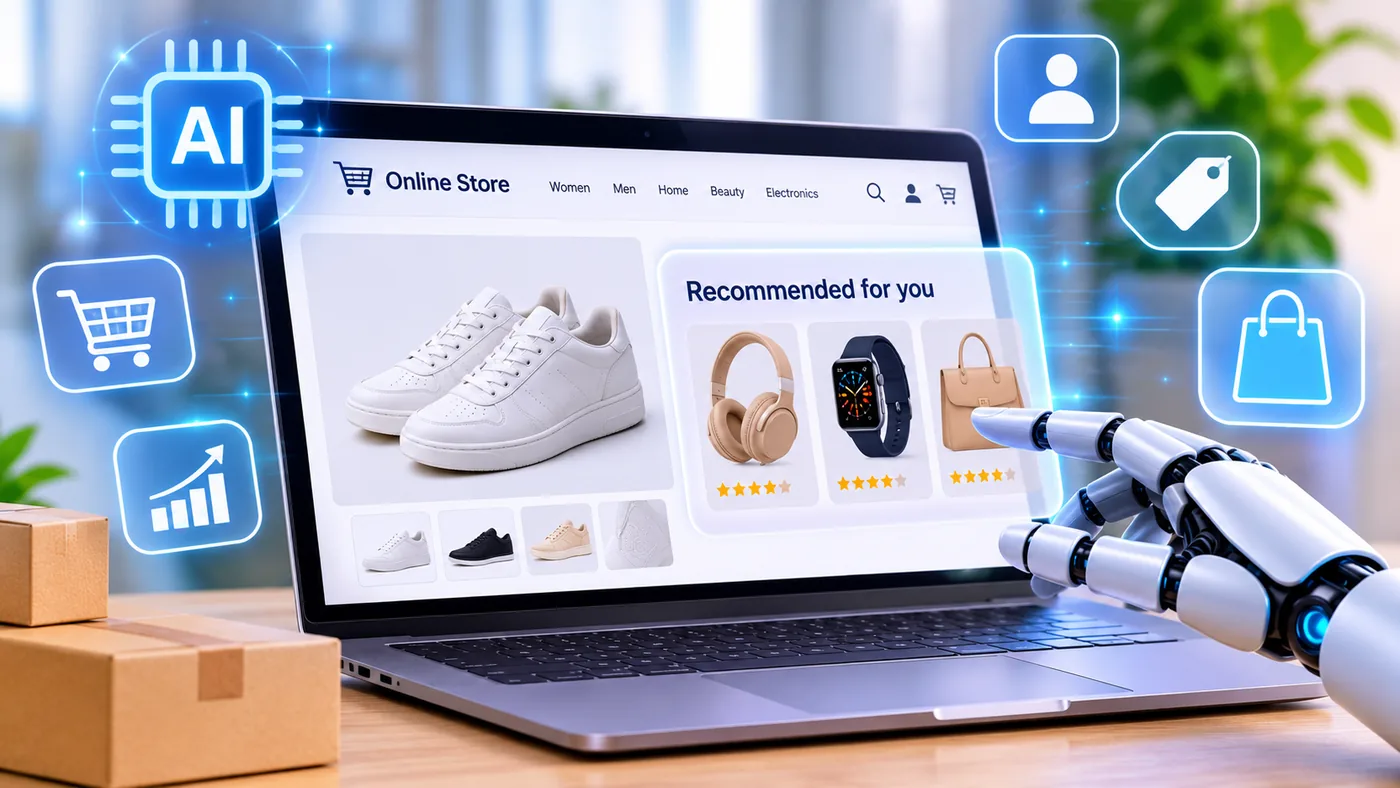
Online shopping has changed dramatically over the past decade, and artificial intelligence is becoming one of the most important technologies shaping its future. From personalized product recommendations to intelligent virtual assistants, AI is transforming how consumers discover, explore, and purchase products online. These innovations are making digital shopping experiences more interactive, convenient, and tailored to individual preferences.

The Growing Role of AI in E-Commerce
Artificial intelligence is helping online retailers understand customer preferences and improve the overall shopping experience. By analyzing browsing behavior, previous purchases, and product interactions, AI-powered systems can recommend products that are more relevant to individual shoppers.
This level of personalization makes it easier for customers to discover products they might otherwise overlook. Instead of browsing through thousands of unrelated listings, shoppers can receive recommendations based on their interests, needs, and shopping habits.
AI undress tools are also helping businesses automate customer support, optimize product descriptions, and improve inventory management. As these technologies become more advanced, online stores can offer faster and more personalized services.
AI-Powered Visual Experiences and Product Discovery
Visual content plays an important role in online shopping. Customers often want to see products from different angles, explore their appearance, and understand how they might fit into their personal style or lifestyle before making a purchase.
Artificial intelligence is opening new possibilities in this area through image generation, photo editing, and visual customization. These technologies allow users to experiment with different visual concepts and create personalized digital content more easily than ever before.
Specialized AI creative platforms such as Dessi AI demonstrate how AI-powered image generation and editing tools are expanding the possibilities of digital visual experiences. Although creative image platforms are different from traditional online stores, they reflect a broader trend toward more interactive and personalized digital content.
In the future, similar AI technologies could become increasingly integrated into shopping platforms, helping customers visualize products, explore different styles, and make more informed purchasing decisions.
Personalized Shopping Recommendations
One of the biggest advantages of artificial intelligence in e-commerce is personalization. Traditional online stores often display the same products to every visitor, while AI-powered platforms can adapt their recommendations to individual users.
Machine learning algorithms can identify patterns in customer behavior and use this information to suggest relevant products. For example, someone shopping for home accessories may receive recommendations based on previously viewed furniture, preferred colors, or selected interior design styles.
Personalized recommendations can also help retailers improve customer satisfaction and make product discovery more efficient. By presenting relevant options at the right moment, businesses can create a smoother and more engaging shopping journey.
Virtual Assistants and Smarter Customer Support
AI-powered chatbots and virtual assistants are becoming increasingly common in online retail. These tools can answer frequently asked questions, explain product features, provide order information, and help customers navigate online stores.
Unlike traditional customer support systems, modern AI assistants can understand natural language and respond to more complex requests. This makes online shopping more convenient, particularly for customers who need assistance outside regular business hours.
Virtual shopping assistants may also help users compare products, identify suitable alternatives, and find items that match their budgets and preferences.
How AI Is Improving the Online Shopping Experience
Artificial intelligence is influencing almost every stage of the online shopping process. From the first product search to the final purchase, intelligent systems can help make the experience faster and more efficient.
- Smarter product searches: AI can interpret search queries and help customers find relevant products more quickly.
- Personalized recommendations: Shopping platforms can suggest products based on individual interests and previous interactions.
- Visual product exploration: AI-powered image tools can create new ways to explore product styles and appearances.
- Automated customer service: Virtual assistants can provide support and answer common questions.
- Improved shopping predictions: Retailers can analyze trends and better understand changing customer demand.
These applications demonstrate how artificial intelligence can make digital commerce more responsive to customer expectations.
The Connection Between AI and the Future of Digital Commerce
Artificial intelligence is not limited to product recommendations or customer service. It is also influencing digital marketing, advertising, content creation, and the way businesses present products to potential customers.
Retailers can use AI to generate marketing visuals, test different advertising concepts, and adapt promotional content to specific audiences. This can reduce the time required to create digital campaigns while allowing businesses to experiment with more creative approaches.
As generative AI technology develops, online shopping platforms may introduce increasingly sophisticated features, including interactive product previews, personalized visual catalogs, and intelligent shopping experiences that respond to individual preferences.
Challenges and Responsible Use of Artificial Intelligence
Despite its advantages, the growing use of artificial intelligence undress tools in online commerce also introduces several challenges. Privacy, data protection, transparency, and the accuracy of AI-generated information are important considerations for both retailers and consumers.
Businesses should be transparent about how customer information is collected and used. They should also ensure that AI-generated product images accurately represent the products being sold, avoiding misleading advertising or unrealistic expectations.
Consumers should remain aware that personalized recommendations are generated by algorithms and may not always represent the best available option. Comparing products, checking independent reviews, and reviewing product specifications remain important parts of responsible online shopping.
For readers interested in understanding the technology behind these developments, the Wikipedia article on Artificial Intelligence provides a useful introduction to the subject.
What Does the Future of AI-Powered Shopping Look Like?
The future of online shopping will likely involve even deeper integration of artificial intelligence into everyday consumer experiences. As AI systems become more sophisticated, shoppers may benefit from smarter recommendations, more realistic product visualizations, and virtual assistants capable of understanding complex purchasing requirements.
We may also see greater cooperation between e-commerce platforms and creative AI technologies. This could allow customers to explore products in personalized environments, experiment with different styles, and interact with digital catalogs in entirely new ways.
For retailers, these developments offer opportunities to improve customer engagement, optimize business operations, and create more memorable shopping experiences.
Conclusion
Artificial intelligence is transforming online shopping by making it more personalized, interactive, and efficient. From intelligent product recommendations and automated customer support to AI-generated visuals and creative digital tools, the technology is changing how consumers interact with online businesses.
Although challenges related to privacy, transparency, and responsible AI use remain important, the potential benefits for both shoppers and retailers are significant.
As artificial intelligence continues to evolve, it will likely become an essential part of the e-commerce industry, helping create a more dynamic and personalized future for online shopping.