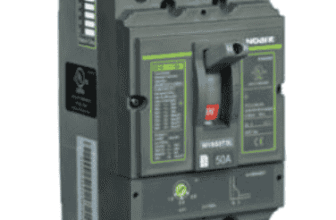
The electrical wholesale industry plays a crucial role in ensuring that businesses and facilities have access to the components they need to operate efficiently. From wiring and circuit breakers to advanced control systems, sourcing from reliable electrical equipment suppliers is essential for maintaining smooth operations. Understanding how the industry works and what to look for in a supplier can save time, reduce costs, and prevent unexpected downtime. In this guide, we’ll explore practical advice on navigating the electrical wholesale industry, selecting the right suppliers, and maximizing the value of your purchases.
Why the Electrical Wholesale Industry is Important
The electrical wholesale industry serves as the backbone of modern infrastructure. Without dependable suppliers, businesses could face interruptions in production, safety hazards, and increased operational costs. Electrical equipment suppliers provide the necessary components to ensure that everything from industrial machinery to commercial electrical systems operates smoothly. Access to quality products also helps companies plan for expansion and stay up-to-date with technological advancements.
Understanding the Role of Electrical Equipment Suppliers
Electrical equipment suppliers are more than just sellers of parts. They provide expertise, support, and guidance on choosing the right components for your specific needs. Whether you are dealing with power distribution, lighting systems, or motor control, having a knowledgeable supplier can make all the difference. Suppliers help businesses maintain efficiency, ensure safety compliance, and optimize operations.
Key Qualities of a Good Supplier
When evaluating electrical equipment suppliers, focus on their reliability, knowledge, and range of products. A good supplier should be able to provide everything from basic components to advanced systems. They should also offer technical support and advice, helping you select the right parts for your projects. Quality assurance is another critical factor, as low-grade components can lead to frequent failures, safety risks, and higher costs over time.
Tips for Choosing the Right Supplier
Selecting the right supplier can seem challenging, but keeping a few key considerations in mind can simplify the process.
-
Research their reputation and customer feedback to ensure reliability.
-
Confirm that their products meet industry certifications and safety standards.
-
Evaluate their willingness to provide technical guidance and after-sales support.
-
Consider delivery timelines and inventory availability to prevent delays.
Benefits of Partnering with Reliable Electrical Equipment Suppliers
-
Consistent Access to High-Quality Components: Reduces operational downtime and equipment failures.
-
Cost Efficiency: Durable, certified products reduce replacement frequency and long-term expenses.
-
Expert Advice: Suppliers can recommend the most suitable components for your projects and systems.
-
Future-Ready Solutions: Access to the latest components helps businesses upgrade systems efficiently.
How to Build Long-Term Relationships in the Electrical Wholesale Industry
Building strong partnerships with suppliers is essential for long-term success. Clear communication about your needs, regular order planning, and feedback can strengthen the relationship. Long-term partnerships can lead to priority access to new products, favorable pricing, and faster delivery times, ensuring that your operations stay efficient and cost-effective.
Common Mistakes to Avoid
Many businesses make the mistake of prioritizing cost over quality when choosing suppliers. This can lead to frequent equipment failures, safety concerns, and higher long-term costs. Another common mistake is neglecting technical support and guidance, which can slow down installation and maintenance processes. Planning ahead and focusing on both quality and service can prevent these issues.
Maximizing the Value from Your Supplier
Once you have identified a reliable supplier, you can maximize the benefits by sharing detailed information about your operational needs, planning orders in advance, and staying informed about new components and technological upgrades. This approach ensures that your electrical systems remain efficient, safe, and adaptable to future changes.
The Future of the Electrical Wholesale Industry
The electrical wholesale industry continues to evolve with technological advancements, including energy-efficient solutions, smart systems, and automated components. Electrical equipment suppliers that stay updated with these trends can provide businesses with innovative solutions that improve efficiency and reduce energy consumption. Staying informed about these developments allows companies to remain competitive and adapt to changing market demands.
Conclusion
Navigating the electrical wholesale industry requires careful consideration of both product quality and supplier reliability. Partnering with knowledgeable electrical equipment suppliers ensures that your electrical systems are safe, efficient, and future-ready. By prioritizing quality, maintaining clear communication, and planning strategically, businesses can build strong supplier relationships that support long-term operational success. Choosing the right supplier is not just a purchase decision—it’s a step toward a more reliable and efficient operation.
FAQs
Q1: What makes a supplier reliable in the electrical wholesale industry?
A reliable supplier consistently delivers high-quality products, offers technical support, and has positive reviews from other businesses.
Q2: Why is working with knowledgeable electrical equipment suppliers important?
They can guide you in selecting the right components, ensure compliance with safety standards, and reduce operational risks.
Q3: How can businesses maximize benefits from their suppliers?
By sharing detailed needs, planning orders in advance, and staying updated on new products and technologies.
Q4: What are common mistakes when choosing suppliers?
Focusing solely on cost, ignoring quality, neglecting technical support, and failing to plan orders can all lead to operational issues.