A break-in can leave you wondering whether your existing locks are still safe. In most cases, you should replace or rekey the affected locks after a break-in, especially if the hardware was damaged, forced open, tampered with, or compromised during entry. The right choice depends on the condition of the lock, how the intruder gained access, and whether you need stronger security.
If you are dealing with a recent break-in, your first priority should be securing the property—not simply restoring the door to its previous condition.
Inspect the Locks Before Deciding What to Do
After law enforcement has completed any necessary investigation, inspect the affected entry points carefully. Look for a damaged deadbolt, bent strike plate, loose screws, cracked door frame, drilled cylinder, or signs that the lock was forced.
You should also check other exterior doors and accessible windows. A burglar may have tested multiple entry points even if only one was successfully breached.
If the lock still operates but shows signs of tampering, do not automatically assume it is safe because the key works. Internal components may have been damaged or weakened.
A professional Denver locksmith service from APEX Locksmith Denver can evaluate the hardware and help you determine whether repair, rekeying, or complete replacement makes more sense.
When You Should Replace the Lock
Replacing the lock is generally the better option when the hardware has been physically damaged or you want to improve your property’s resistance to another attempted entry.
You should strongly consider replacement if:
- The cylinder was drilled, broken, or otherwise destroyed.
- The deadbolt or latch no longer operates smoothly.
- The lock is old, worn, or poorly constructed.
- The strike plate or surrounding hardware is damaged.
- You want to upgrade to a higher-security lock.
- You suspect the lock design contributed to the break-in.
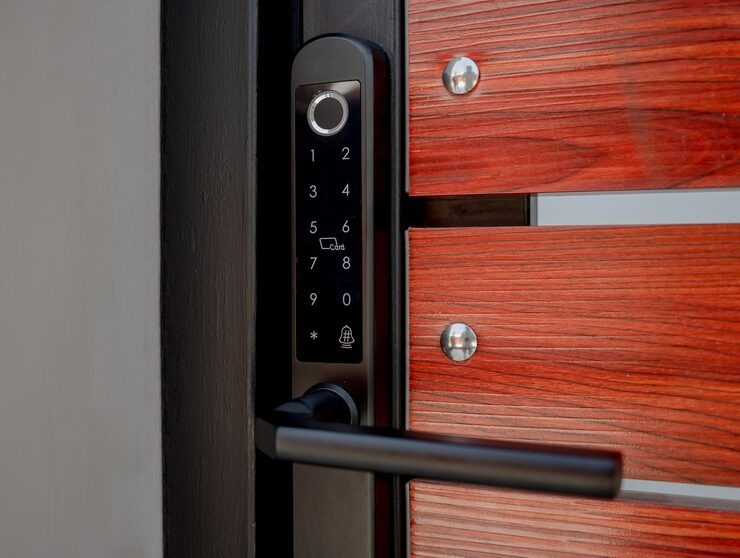
- You want new hardware with improved convenience, such as a keypad deadbolt.
Replacing the lock also gives you an opportunity to correct weaknesses elsewhere on the door. A strong lock cannot provide its full benefit if the strike plate is poorly secured or the door frame is damaged.
For additional guidance on choosing between repair, rekeying, and replacement, you can review these Denver lock replacement and rekeying tips.
When Rekeying May Be Enough
You do not always need completely new hardware after a break-in.
Rekeying changes the internal configuration of the existing lock cylinder so that previous keys no longer operate it. This can be a practical option when the lock itself remains mechanically sound but you are concerned that someone may have obtained a key.
For example, if there is no visible damage and you believe an unauthorized person may have had access to your keys, rekeying can restore control without replacing every lock.
However, rekeying does not repair physical damage or make a fundamentally weak lock stronger. If the intruder defeated the lock by damaging or manipulating the hardware, replacement may be the more appropriate solution.
Consider Upgrading Your Entire Entry Point
A break-in is also an opportunity to look beyond the individual lock.
Ask yourself why the intruder was able to enter. Was the deadbolt outdated? Was the strike plate inadequately secured? Was the door frame weak? Was there another vulnerable entry point?
You can use the incident to create a more complete security plan.
For a home, that might mean installing stronger deadbolts, replacing worn door hardware, improving strike-plate security, or adding electronic access technology.
If you own a Denver business, your needs may be different. Commercial properties often require heavier-duty locks, controlled employee access, master key systems, or electronic access control. A Denver commercial locksmith service for lock installation and rekeying can help you address those requirements.
Do Not Ignore Other Keys After a Break-In
Changing the lock may not be enough if you are unsure who has access to your property.
Think about everyone who may have had a key before the incident. Former tenants, employees, contractors, property managers, roommates, or previous occupants could potentially possess copies.
If you cannot account for every existing key, rekeying or replacing the affected locks gives you a clean starting point. You can then distribute new keys only to people who currently need access.
For businesses, this becomes especially important after employee turnover or lost keys. A controlled rekeying strategy can reduce unnecessary access without requiring every lock to be replaced.
What Should You Do Immediately After a Break-In?
Your immediate response should be systematic:
- Contact law enforcement and follow their instructions regarding evidence.
- Avoid disturbing damaged areas until they have been documented or inspected.
- Photograph visible damage for your records and insurance claim.
- Check every exterior entry point for signs of tampering.
- Determine whether keys may have been compromised.
- Contact your insurance provider if the incident is covered.
- Have damaged or vulnerable locks professionally evaluated.
- Upgrade weak hardware instead of simply replacing it with an equivalent lock.
If you need immediate assistance securing your property, 24/7 emergency locksmith assistance in Denver can be useful when a damaged lock leaves your home or business exposed.
How APEX Locksmith Denver Can Help
After a break-in, you want a practical solution—not unnecessary work or hardware you do not need.
APEX Locksmith Denver provides residential and commercial locksmith services throughout Denver and surrounding metro communities. Its services include lock repair, replacement, rekeying, new lock installation, and commercial security solutions.
The right recommendation should depend on the condition of your existing hardware and the security problem you are trying to solve. In some cases, rekeying is sufficient. In others, replacing the lock and strengthening the door hardware is the smarter long-term choice.
FAQs
1. Should you always replace locks after a break-in?
No. If the lock is undamaged but you believe someone may have obtained a key, rekeying may be sufficient. If the lock or surrounding hardware was forced, drilled, broken, or weakened, replacement is usually more appropriate.
2. Is rekeying safer than keeping the old lock?
Yes, when the existing lock is mechanically sound. Rekeying prevents old keys from operating the cylinder. However, it does not fix physical damage or improve the fundamental strength of an outdated lock.
3. Should you replace all locks after a break-in?
Not necessarily. Focus first on compromised entry points and any locks that are old or vulnerable. A locksmith can assess the property and help you determine whether selective replacement or broader upgrades make sense.
4. Can a locksmith repair a lock damaged during a break-in?
Sometimes. Minor problems may be repairable, while severely damaged cylinders, deadbolts, or door hardware may need replacement. The condition of the lock and door determines the appropriate solution.
5. How quickly should you secure your property after a break-in?
You should secure the property as soon as practical after law enforcement has completed any necessary investigation. Do not leave a damaged entry point unsecured overnight if you can arrange professional assistance.
Protect Your Denver Property After a Break-In
A break-in should not be treated as simply a damaged-lock problem. It is an opportunity to identify how someone gained entry and eliminate the weakness that allowed it.
Whether you need rekeying, lock replacement, stronger hardware, or a broader security upgrade, getting a professional assessment can help you avoid spending money on the wrong solution.
If your Denver home or business has recently experienced a break-in, contact APEX Locksmith Denver for professional assistance evaluating and securing your locks. Taking action now can help restore your sense of security and reduce the risk of another unauthorized entry.