H2 1: What is an NRV Valve and How Does it Work?
An NRV valve, short for Non-Return Valve, is a type of valve that allows the flow of fluid in only one direction. Also known as a check valve or one-way valve, it is designed to prevent backflow of the fluid, which could cause damage to the system or equipment.
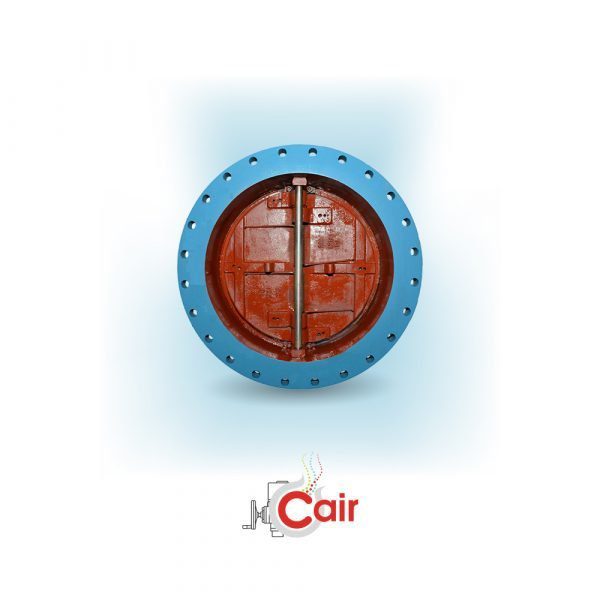
An NRV valve typically consists of a body, a disk, and a spring. The disk, which is usually made of rubber or metal, moves freely inside the body and blocks the flow of fluid in the opposite direction. The spring provides the necessary force to keep the disk in place and ensure that the valve remains closed when there is no pressure difference across it.
Types of NRV Valves and Their Applications
There are several types of NRV valves available, each with its own unique features and applications. The most common types include:
Swing Check Valve – This type of valve is designed with a hinged disc that swings open when the fluid flows in the correct direction and closes when the flow is reversed. Swing check valves are commonly used in low-pressure applications such as domestic water supply systems.
Ball Check Valve – A ball check valve uses a ball-shaped disc that is held in place by a spring. When the fluid flows in the correct direction, the ball moves away from the valve seat and allows the fluid to pass through. Ball check valves are widely used in applications that require a high flow rate, such as irrigation systems.
Lift Check Valve – This type of valve uses a piston-like disc that lifts up when the fluid flows in the correct direction and drops back down to block the flow when the direction is reversed. Lift check valves are commonly used in high-pressure applications such as oil and gas production.
Diaphragm Check Valve – This type of valve uses a flexible diaphragm that bends when the fluid flows in the correct direction and returns to its original position when the flow is reversed. Diaphragm check valves are commonly used in applications that require high accuracy and precision, such as laboratory equipment.
Advantages and Disadvantages of NRV Valves
NRV valves offer several advantages over other types of valves, including:
Simple design – NRV valves have a simple design that is easy to install and maintain.
Low cost – NRV valve are generally less expensive than other types of valves.
Low pressure drop – NRV valves have a low pressure drop, which means they don’t significantly reduce the flow rate of the fluid.
Prevents backflow – NRV valves prevent backflow of the fluid, which can cause damage to the system or equipment.
However, NRV valves also have some disadvantages, including:
Limited flow rate – NRV valves have a limited flow rate compared to other types of valves.
Limited temperature range – NRV valves are typically designed for use in moderate temperature ranges and may not be suitable for high-temperature applications.
Limited pressure range – NRV valves are also limited in terms of the pressure range they can handle.
Maintenance of NRV Valves
Proper maintenance of NRV valves is essential to ensure their optimal performance and longevity. Here are some tips for maintaining NRV valves:
Check for leaks – Inspect the valve regularly for leaks and repair or replace any damaged components.
Clean the valve – Clean the valve regularly to remove any debris or sediment that may have accumulated on the valve seat or disk.
Replace worn parts – Check the valve for signs of wear and tear, such as cracks or deformation, and replace any worn or damaged parts as needed.
Lubricate moving parts – Apply a small amount of lubricant to the moving parts of the valve to reduce friction and prevent wear.
Test the valve – Test the valve periodically to ensure that it is working correctly and that the flow rate is within the specified range.
Follow manufacturer guidelines – Always follow the manufacturer’s guidelines for maintenance and repair to ensure the safe and efficient operation of the valve.
Use the correct fluid – NRV valves are designed to work with specific types of fluids, and using the wrong fluid can cause damage to the valve. Always ensure that the valve is compatible with the fluid being used.
Install the valve correctly – Improper installation can lead to leaks or other problems with the valve. Follow the manufacturer’s instructions carefully when installing the valve, and make sure that all connections are tight and secure.
Check the valve periodically – Regular inspections can help identify potential problems with the valve before they become more serious. Inspect the valve for signs of wear or damage, and replace any worn or damaged parts as needed.
Monitor the pressure – NRV valves are designed to work within specific pressure ranges, and exceeding these limits can cause damage to the valve. Make sure that the pressure is within the specified range and adjust as necessary.
Perform regular maintenance – Regular maintenance can help keep the valve in good condition and prevent problems from occurring. Follow the manufacturer’s guidelines for maintenance, and perform any necessary cleaning or repairs on a regular basis.
Use protective measures – NRV valves may be exposed to harsh environments, such as corrosive or abrasive fluids.
By following these tips, you can help ensure that your NRV valve performs at its best and lasts for many years. Regular maintenance and proper use are key to preventing problems and extending the life of the valve.
In conclusion, NRV valves are essential components in a wide range of applications, and understanding their features, applications, and maintenance is crucial for anyone working in these industries. Remember to follow manufacturer guidelines and consult with a professional if you have any doubts or questions about NRV valves or any other type of valve.