When your lab work demands accuracy, consistency, and contamination control, choosing the right laminar flow hood becomes a critical decision. You’re not just buying equipment—you’re investing in the integrity of your results. Whether you handle sensitive samples, electronics, or sterile processes, understanding what to look for will help you make a confident, informed purchase.
Understand Your Application First
Before you explore options, define how you’ll use the laminar flow hood. Are you working with biological samples, pharmaceuticals, or microelectronics? Your application determines whether you need a horizontal or vertical airflow system.
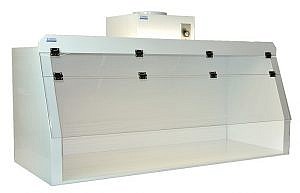
- Horizontal flow hoods push air directly toward you, making them ideal for non-hazardous applications where product protection is the priority.
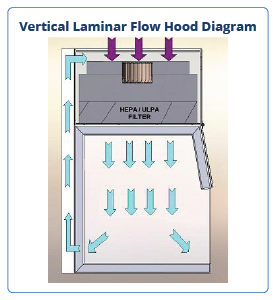
- Vertical flow hoods direct air downward, offering better operator safety and reducing cross-contamination risks.
When you clearly identify your workflow, you avoid overspending on unnecessary features or, worse, choosing the wrong configuration.
Prioritize Airflow Quality and Filtration
Precision lab work relies on clean, particle-free air. That’s why filtration efficiency should be at the top of your checklist. Look for HEPA or ULPA filters that capture 99.99% (or higher) of particles.
Pay attention to:
- Airflow velocity consistency
- Filter replacement accessibility
- Noise levels during operation
A high-quality laminar flow hood maintains uniform airflow across the workspace, preventing turbulence that can compromise your results.
If you’re planning to buy laminar flow hood for sterile lab applications, ensure the system meets ISO cleanliness standards relevant to your industry.
Evaluate Build Quality and Materials
You want a hood that withstands daily use without degrading performance. Look for materials like powder-coated steel or stainless steel interiors, which are easy to clean and resistant to corrosion.
Ask yourself:
- Is the work surface durable and chemical-resistant?
- Are the seams sealed to prevent particle buildup?
- Does the hood include ergonomic features for long work sessions?
Durability directly impacts long-term performance and maintenance costs.
Check Size and Workspace Compatibility
Not all labs have the same space constraints. Measure your available area carefully and match it with the hood’s dimensions. Consider both external size and internal workspace.
A compact unit may save space, but it shouldn’t limit your ability to work comfortably. You need enough room to handle tools, samples, and equipment without disrupting airflow patterns.
If you’re upgrading your lab setup, explore options from CleaTech LLC high-performance cleanroom equipment provider to find models that balance size and functionality effectively.
Look for Compliance and Certifications
Regulatory compliance isn’t optional—it’s essential. Ensure the laminar flow hood meets industry standards such as ISO, NSF, or equivalent certifications depending on your field.
This is especially important if you:
- Work in pharmaceutical or medical labs
- Handle sensitive or regulated materials
- Require audit-ready equipment
Certified equipment not only protects your work but also ensures your lab meets inspection requirements.
Consider Maintenance and Operating Costs
A lower upfront cost can be misleading if maintenance expenses are high. Evaluate:
- Filter replacement frequency and cost
- Energy efficiency
- Ease of cleaning and servicing
Energy-efficient models reduce long-term expenses while maintaining consistent performance. You should also check whether replacement parts are readily available.
Assess Manufacturer Reputation and Support
You’re not just buying a product—you’re entering a relationship with the manufacturer. Reliable customer support can save you time and frustration.
Look for:
- Warranty coverage
- Technical support availability
- Installation guidance
- After-sales service
Choosing a trusted supplier like CleaTech LLC cleanroom solutions manufacturer ensures you get expert guidance along with quality equipment.
Request Customization if Needed
Every lab is different. If your workflow requires specific features—such as UV lighting, additional outlets, or specialized dimensions—ask about customization options.
Tailored solutions can improve efficiency and ensure the hood integrates seamlessly into your processes.
Compare Before You Decide
Don’t rush your purchase. Compare multiple models based on:
- Performance specifications
- Price vs. value
- User reviews and feedback
When you’re ready to move forward, explore options to buy laminar flow hood for precision lab work online and shortlist models that align with your requirements.
If you have specific questions or need expert assistance, contact us today for laminar flow hood consultation to get personalized recommendations.
FAQs About Buying a Laminar Flow Hood
What is the difference between a laminar flow hood and a biosafety cabinet?
A laminar flow hood protects the product by providing clean airflow, while a biosafety cabinet protects both the user and the environment from hazardous materials.
How do I choose between horizontal and vertical airflow?
Choose horizontal airflow for product protection in non-hazardous environments. Opt for vertical airflow when you need better operator safety and reduced contamination risk.
How often should filters be replaced?
HEPA or ULPA filters typically last 3–5 years, depending on usage and environmental conditions. Regular monitoring ensures optimal performance.
Are laminar flow hoods energy-efficient?
Modern units are designed for energy efficiency, but consumption varies by size and features. Look for models with optimized airflow systems to reduce power usage.
Can I customize a laminar flow hood?
Yes, many manufacturers offer customization options, including size adjustments, lighting, outlets, and additional features to match your lab needs.
What certifications should I look for?
Look for ISO standards and other relevant certifications specific to your industry to ensure compliance and performance reliability.