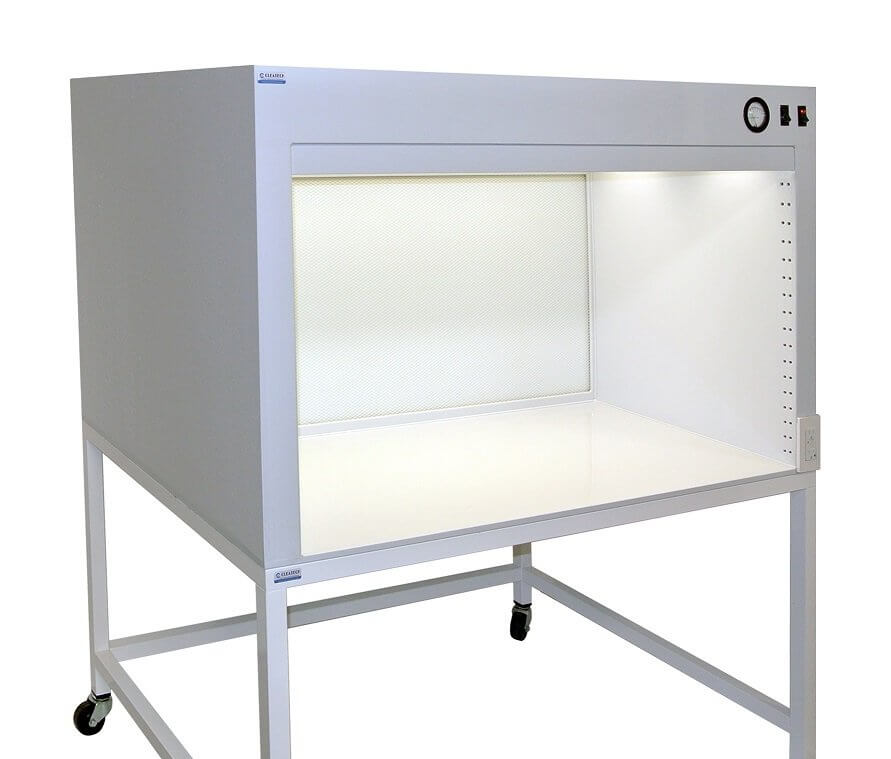
Maintaining a clean and organized workspace is essential when you handle sensitive materials, sterile products, or contamination-sensitive components. If you want to improve productivity without compromising quality, a vertical laminar flow hood can transform the way you work. By supplying filtered air in a controlled downward direction, it minimizes airborne particles that could interfere with your processes.
Whether you work in pharmaceuticals, biotechnology, electronics, medical device manufacturing, or research laboratories, improving workflow starts with creating a reliable environment. Understanding how to use a vertical laminar flow hood effectively helps you reduce errors, increase efficiency, and maintain consistent product quality.
Why Workflow Matters in Controlled Environments
Your workflow directly impacts productivity, product integrity, and operational costs. Poor organization, unnecessary movement, and inconsistent contamination control can slow production while increasing the risk of defects.
A well-planned workflow enables you to:
- Complete tasks more efficiently.
- Reduce contamination risks.
- Improve operator comfort.
- Minimize material waste.
- Increase process consistency.
- Support regulatory compliance.
A vertical laminar flow hood becomes even more valuable when it is integrated into a streamlined workflow.
Understand How a Vertical Laminar Flow Hood Works
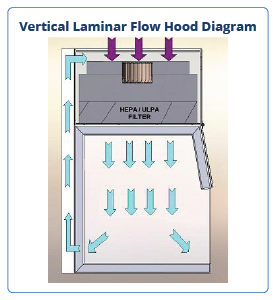
A vertical laminar flow hood delivers HEPA-filtered air from the top of the enclosure toward the work surface in a uniform downward pattern. This continuous airflow pushes airborne contaminants away from critical operations, helping protect products and samples.
If you are looking for a high-performance Vertical Laminar Flow Hood designed for sterile laboratory workflows, explore the Vertical Laminar Flow Hood solutions offered by CleaTech LLC to support clean and controlled work environments.
Organize Your Workspace Before Starting
An organized workstation immediately improves efficiency.
Before beginning any procedure:
- Gather all required materials.
- Arrange tools according to the sequence of use.
- Remove unnecessary equipment.
- Keep frequently used items within easy reach.
- Label containers clearly.
Reducing unnecessary movement helps maintain uninterrupted airflow while allowing you to complete tasks faster.
Position Materials Correctly
Proper placement of equipment is often overlooked.
Avoid blocking the filtered airflow by placing large objects directly beneath the filter. Instead:
- Keep taller equipment toward the rear.
- Leave open airflow around critical work areas.
- Position smaller items near your working zone.
- Avoid overcrowding the work surface.
Maintaining consistent airflow improves contamination control while making your work more comfortable.
Develop Standard Operating Procedures
Consistent procedures improve both speed and accuracy.
Create standardized workflows that include:
- Equipment startup procedures
- Surface cleaning routines
- Material handling guidelines
- Sample transfer methods
- Shutdown procedures
When every operator follows the same workflow, training becomes easier, and productivity increases.
Minimize Interruptions During Operations
Every interruption can introduce contamination risks or reduce productivity.
To maintain a smooth workflow:
- Finish preparation before beginning.
- Avoid reaching outside the hood unnecessarily.
- Limit conversations during critical tasks.
- Keep doors and surrounding traffic to a minimum.
- Reduce repeated opening of storage containers.
A focused work environment leads to more consistent outcomes.
Schedule Regular Cleaning
A clean workspace supports efficient operations.
Develop a cleaning schedule that includes:
- Before each work session
- Between different projects
- After spills
- At the end of every shift
Use laboratory-approved cleaning agents that are compatible with your equipment. Consistent cleaning reduces contamination while extending equipment life.
Perform Preventive Maintenance
Routine maintenance prevents unexpected downtime.
Important maintenance activities include:
- Inspecting HEPA filters
- Checking airflow performance
- Replacing worn components
- Cleaning pre-filters
- Verifying airflow velocity
- Scheduling annual certification
Preventive maintenance keeps the hood operating efficiently while reducing costly disruptions.
Improve Operator Ergonomics
Comfort directly affects productivity.
You can improve workflow by:
- Adjusting work height.
- Using ergonomic seating.
- Keeping wrists in neutral positions.
- Reducing repetitive reaching.
- Maintaining proper posture.
Comfortable operators work longer with fewer errors and greater precision.
Train Every User Properly
Even advanced equipment performs poorly without proper training.
Training should cover:
- Airflow principles
- Proper material placement
- Cleaning procedures
- Safe handling techniques
- Maintenance awareness
- Emergency response
Well-trained personnel complete tasks faster while maintaining contamination control.
Reduce Cross-Contamination Risks
Workflow optimization includes contamination prevention.
Consider these practices:
- Separate clean and used materials.
- Use sterile tools whenever possible.
- Replace disposable supplies regularly.
- Avoid overlapping different projects.
- Sanitize gloves when appropriate.
Simple habits significantly improve workflow quality.
Monitor Workflow Performance
Continuous improvement begins with measurement.
Track performance indicators such as:
- Task completion time
- Error frequency
- Cleaning compliance
- Equipment downtime
- Product rejection rates
Reviewing these metrics helps identify opportunities to further improve productivity.
Integrate the Hood into Your Laboratory Layout
The surrounding environment also affects workflow.
Position the vertical laminar flow hood:
- Away from doors.
- Away from HVAC vents.
- Away from heavy foot traffic.
- In low-vibration areas.
- Near supporting equipment when appropriate.
Proper placement preserves airflow stability and reduces unnecessary movement throughout the laboratory.
Choose Equipment That Matches Your Needs
Selecting the right hood size and configuration prevents workflow bottlenecks.
Consider:
- Available workspace
- Product dimensions
- Daily workload
- Future expansion
- Required certifications
- Utility requirements
Investing in the appropriate equipment allows your laboratory to operate more efficiently over the long term.
For laboratories seeking reliable cleanroom equipment and advanced contamination control solutions, CleaTech LLC offers quality systems designed for demanding research, manufacturing, and industrial applications.
If you need expert guidance selecting the right clean-air solution for your application, Contact us today to discuss your laboratory requirements with experienced specialists.
Conclusion
Improving workflow with a vertical laminar flow hood involves much more than simply installing clean-air equipment. Efficient organization, proper material placement, preventive maintenance, operator training, and standardized procedures all contribute to faster, cleaner, and more reliable operations. When these best practices are combined with a high-quality vertical laminar flow hood, you can improve productivity, reduce contamination risks, and maintain consistent results across every project.
Frequently Asked Questions
How does a vertical laminar flow hood improve workflow?
It creates a clean working environment that reduces contamination, minimizes rework, and allows you to complete sensitive tasks more efficiently.
Where is a vertical laminar flow hood commonly used?
It is widely used in pharmaceutical laboratories, biotechnology facilities, medical device manufacturing, electronics assembly, research labs, and cleanrooms.
How often should a vertical laminar flow hood be cleaned?
Clean the work surface before and after every use, immediately after spills, and according to your laboratory’s standard operating procedures.
Does operator training affect workflow efficiency?
Yes. Proper training helps users maintain correct airflow practices, reduce mistakes, and complete procedures consistently.
What factors should you consider before choosing a vertical laminar flow hood?
Evaluate your application requirements, workspace size, airflow needs, equipment dimensions, maintenance requirements, and expected workload before making a selection.