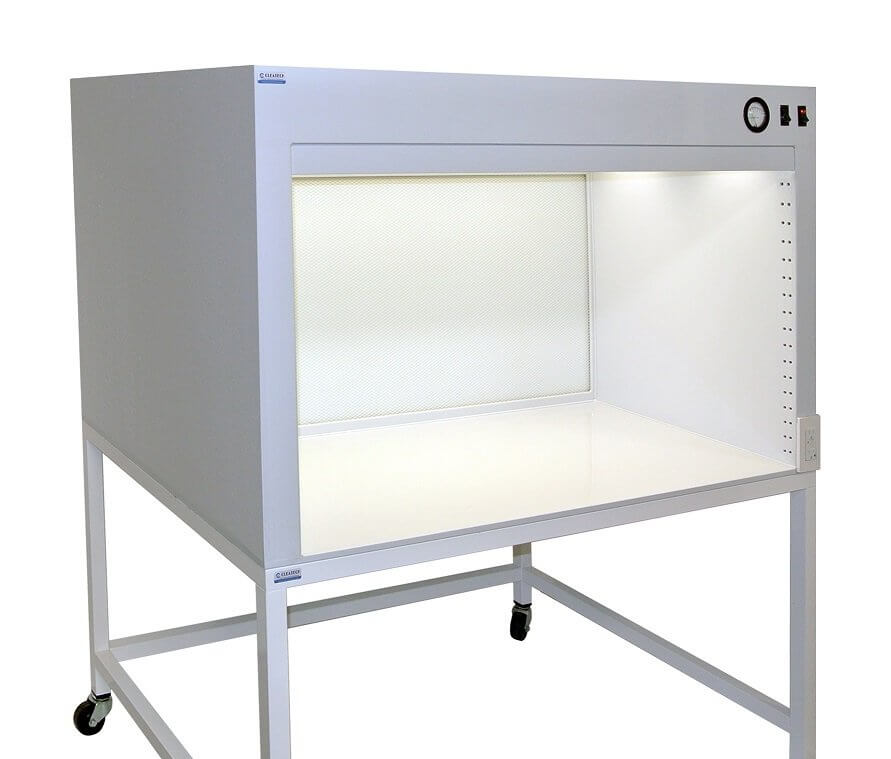
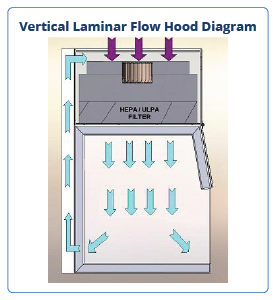
Flexible laboratories allow you to adapt work areas as projects, teams, and testing requirements change. However, moving biological work between locations can create challenges for containment and contamination control. A portable biosafety cabinet can help you establish a controlled work zone where you need it. To use one effectively, you should consider placement, airflow, setup, cleaning, and operating practices before starting your work.
Understand Where a Portable Biosafety Cabinet Fits
A portable biosafety cabinet is designed to provide a contained workspace for appropriate laboratory procedures while helping protect the work area from contamination. Its mobility can be useful when your laboratory does not have a fixed workstation for every process.
You may use a portable unit when:
- Laboratory layouts change frequently
- Multiple teams share workspaces
- Temporary research areas are required
- You need flexibility between compatible work zones
- Space limitations make permanent installation difficult
Before selecting or relocating a cabinet, identify the type of biological work you perform. Your containment requirements, cabinet classification, facility conditions, and applicable laboratory safety procedures should determine whether a particular unit is suitable.
Choose the Right Location Before Moving the Cabinet
Mobility does not mean you can place the cabinet anywhere. Air movement around the cabinet can affect its performance, so you should select a suitable location before beginning work.
Keep the cabinet away from high-traffic areas, frequently opened doors, strong drafts, and equipment that creates disruptive airflow. Avoid placing it where people regularly walk directly behind the operator.
You should also consider access to electrical power, available workspace, cleaning requirements, and emergency procedures. Leave adequate clearance around the cabinet according to the manufacturer’s instructions.
If you regularly move the cabinet, establish several approved locations rather than choosing a new position each time. This makes your workflow more consistent and reduces setup errors.
Set Up the Cabinet Correctly
Before using your cabinet in a flexible workspace, inspect it carefully. Check the exterior, work surface, sash or access opening, electrical connections, and visible components for signs of damage.
Follow the manufacturer’s startup procedure rather than relying on assumptions about airflow or operating time. If the cabinet has been moved, verify that it is ready for use according to the manufacturer’s requirements and your facility’s procedures.
Keep the interior workspace organized. Do not overcrowd the cabinet with unnecessary equipment, containers, or supplies. Excessive materials can interfere with proper airflow and make cleaning more difficult.
Arrange items so that you can perform your work without repeatedly reaching across clean and potentially contaminated areas. Bring only the materials you actually need into the work zone.
Follow Consistent Operating Practices
Once the cabinet is ready, work slowly and deliberately. Sudden movements can disrupt airflow and increase the possibility of contamination.
Keep unnecessary movement around the cabinet to a minimum. Avoid repeatedly removing and replacing materials during a procedure. Organize supplies before starting so your workflow remains predictable.
You should also maintain separation between clean and potentially contaminated materials. Use appropriate containers for waste and follow your laboratory’s established procedures for handling biological materials.
A portable cabinet should not replace proper personal protective equipment, disinfection procedures, waste management, or other required controls. Use it as one component of a broader laboratory safety system.
For flexible facilities, documenting a standard operating procedure can be particularly useful. Your procedure can cover approved locations, startup checks, cleaning, shutdown, relocation, and maintenance requirements.
Clean, Inspect, and Maintain After Use
Cleaning is especially important when equipment is shared between workspaces. Follow the manufacturer’s instructions and your laboratory’s approved cleaning and disinfection procedures for the cabinet’s surfaces and components.
Remove materials after completing your work and handle biological waste according to your established protocols. Do not allow unnecessary supplies or waste to remain inside the cabinet.
If you relocate the cabinet, complete the required checks before putting it back into service. Keep records of inspections, maintenance, certifications, and other required performance checks.
When you need equipment for changing laboratory environments, explore the available portable biosafety cabinet solutions for flexible laboratory workspaces from Global Lab Supply.
Build a Safer Flexible Workflow
A flexible workspace works best when mobility does not compromise consistency. Before using a portable biosafety cabinet, establish clear rules for placement, operation, cleaning, relocation, and maintenance.
You should also train every operator on the specific cabinet model and your facility’s procedures. Consistent training helps reduce avoidable operating mistakes when different people use the same equipment.
If you are comparing equipment for changing laboratory requirements, Global Lab Supply’s laboratory equipment solutions for flexible research environments can help you explore suitable options. For questions about selecting equipment for your application, contact Global Lab Supply for portable biosafety cabinet guidance and discuss your workspace requirements.
Frequently Asked Questions
What is a portable biosafety cabinet used for?
A portable biosafety cabinet provides a controlled workspace for appropriate biological laboratory procedures. Its mobility can support laboratories where work areas change or where a permanent cabinet installation is not practical.
Can you move a portable biosafety cabinet between rooms?
You may be able to relocate a portable cabinet when the manufacturer’s requirements and facility procedures allow it. After moving the unit, follow the required inspection, setup, and performance verification procedures before use.
Where should you place a portable biosafety cabinet?
Place it in an approved laboratory location away from disruptive drafts, heavy traffic, and frequently opened doors. Always follow the manufacturer’s installation requirements and your facility’s safety procedures.
Does a portable biosafety cabinet replace personal protective equipment?
No. A biosafety cabinet is one part of laboratory containment and safety practices. You should continue using the personal protective equipment, disinfection methods, waste procedures, and other controls required for your work.
How do you maintain a portable biosafety cabinet?
Follow the manufacturer’s cleaning and maintenance instructions and your facility’s procedures. Regular inspections, appropriate disinfection, required certification or performance checks, and proper recordkeeping help maintain reliable operation.