Maintaining a high-purity environment requires more than advanced filtration and controlled air circulation. Every surface, tool, and workstation can influence contamination control. If you work in pharmaceutical manufacturing, biotechnology, electronics assembly, medical device production, or laboratory research, selecting the right workbench helps you maintain cleanliness, improve workflow efficiency, and protect sensitive materials. To make the right investment, you need to evaluate material compatibility, cleanability, structural stability, and suitability for your cleanroom classification.
Identify Your Application and Cleanliness Requirements
Start by identifying the processes you perform at the workstation. Activities such as assembling precision components, handling sterile materials, preparing laboratory samples, or inspecting electronic devices have different cleanliness requirements.
Consider these questions before selecting a workstation:
- What materials or products will you handle?
- Does your process require strict particle control?
- Will operators use chemicals, solvents, or cleaning agents?
- Does the workstation need to accommodate instruments or specialized equipment?
- What cleanroom classification and contamination-control procedures apply?
Your answers help determine the workbench design, surface material, accessories, and cleaning requirements. A workstation suitable for general laboratory use may not meet the requirements of a high-purity manufacturing environment.
Select Materials That Support Contamination Control
Material selection is one of the most important factors when choosing a cleanroom workstation. The surface should withstand repeated cleaning without deteriorating, shedding particles, or creating unnecessary contamination risks.
Stainless steel is widely used because it offers durability, corrosion resistance, and a smooth surface that is relatively easy to clean. It is particularly useful in environments that require frequent sanitization and consistent housekeeping.
Other materials may be appropriate depending on your application. For example, phenolic surfaces can provide useful chemical resistance for certain laboratory operations, while specialized work surfaces may suit specific manufacturing processes.
When evaluating materials, check:
- Resistance to your approved cleaning agents and disinfectants.
- Surface smoothness and ease of wiping.
- Corrosion resistance under operating conditions.
- Compatibility with chemicals and process materials.
- Suitability for your cleanroom’s contamination-control requirements.
Choose materials based on documented compatibility rather than appearance alone.
Evaluate the Workbench Design and Construction
A high-purity workstation should minimize areas where dust, particles, and residues can accumulate. Complex joints, inaccessible corners, damaged coatings, and exposed hardware may make cleaning more difficult.
Look for a design with smooth surfaces, secure joints, and accessible areas for routine cleaning. Rounded corners, where appropriate, can make wiping easier. A stable frame also helps prevent unwanted movement during precision work.
Review the construction details before purchasing. Ask whether the frame, fasteners, shelves, and work surface can tolerate your cleaning procedures. If your process requires frequent disinfection, ensure that all relevant components are compatible with the chemicals you use.
A well-designed cleanroom workbench for high-purity laboratory and manufacturing applications can support consistent housekeeping while providing a dependable workspace for sensitive operations.
Match Dimensions to Your Workflow
Your workbench should provide enough usable space without obstructing movement or disrupting the cleanroom layout. An oversized workstation may restrict operator access, while an undersized surface can encourage overcrowding and poor organization.
Measure the installation area and consider the movement of operators, carts, equipment, and materials. Account for doors, utilities, adjacent workstations, and required access routes.
Evaluate the following dimensions:
Work surface: Confirm that the area accommodates equipment, tools, and materials without excessive clutter.
Height: Choose a suitable working height to support comfortable posture and accurate handling.
Depth: Ensure sufficient reach without making frequently used items difficult to access.
Storage: Include shelves or drawers only when they support your workflow and can be cleaned appropriately.
Organize the surface so that clean materials remain separated from waste, used tools, and incoming items. This approach helps reduce unnecessary handling and improves process consistency.
Check Load Capacity and Equipment Compatibility
High-purity workstations often support microscopes, analytical instruments, precision assembly tools, and other specialized equipment. Before purchasing, calculate the total expected load, including equipment, accessories, and materials.
Check the manufacturer’s rated load capacity and determine whether it applies to the entire workbench or individual shelves. Consider load distribution, frame rigidity, and the possibility of vibration affecting sensitive instruments.
If your operation uses heavy equipment, confirm that the workbench provides adequate support. Adjustable feet can help with leveling, while suitable casters may be useful when mobility is necessary. However, mobile designs must meet your stability, cleanliness, and operational requirements.
Avoid assuming that every cleanroom table is suitable for precision instruments. Verify specifications against your actual application.
Consider Cleanroom Compatibility and Accessories
A workbench does not automatically make an area suitable for high-purity operations. Its suitability depends on the complete cleanroom environment, including airflow, filtration, personnel practices, cleaning procedures, and contamination-control protocols.
Confirm whether the selected workstation is appropriate for your designated cleanroom classification. Ask the supplier for available material specifications, cleaning guidance, and relevant product documentation. Where required, verify particle-shedding characteristics and other performance requirements through appropriate testing.
Accessories should also serve a clear purpose. Consider equipment shelves, tool holders, monitor mounts, and cable-management options if they improve organization. Select designs that avoid unnecessary crevices and do not obstruct airflow or cleaning access.
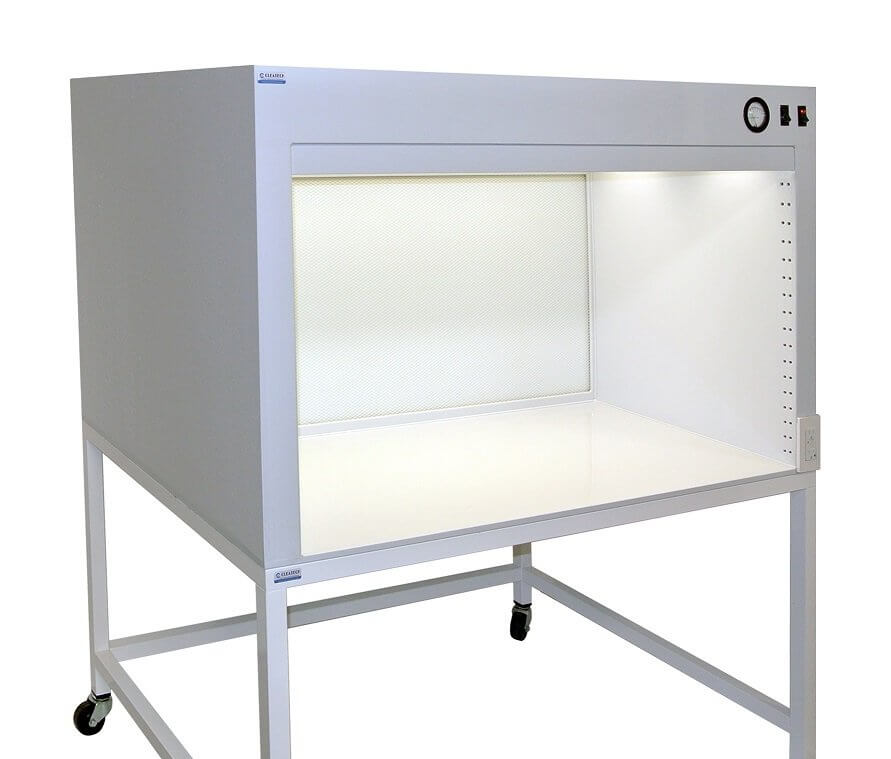
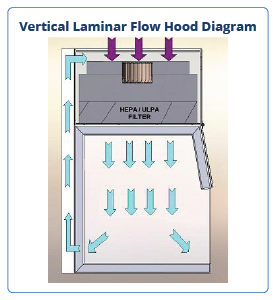
For applications requiring controlled airflow, evaluate the relationship between the workstation and any separate clean bench or local protection equipment. A standard workbench alone does not provide HEPA-filtered protection.
Compare Total Cost and Long-Term Maintenance
Purchase price is only one part of the investment. A lower-cost workbench may require more maintenance or replacement if its materials are unsuitable for your cleaning chemicals or operating conditions.
Compare the expected service life, cleaning requirements, replacement-part availability, warranty, and supplier support. Also consider installation costs and any customization needed to accommodate your equipment.
Review product specifications carefully and prioritize features that directly support your process. Avoid paying for accessories that add complexity without improving cleanliness, safety, or productivity.
When comparing suppliers, CleaTech LLC laboratory and cleanroom equipment solutions provide a relevant starting point for exploring workbench options for controlled environments.
Use a Practical Selection Checklist
Before finalizing your purchase, confirm that the proposed workstation meets your documented requirements.
- The material suits your chemicals and cleaning procedures.
- The design supports effective cleaning and contamination control.
- The dimensions fit your room and workflow.
- The load capacity accommodates all planned equipment.
- The workstation is compatible with your cleanroom requirements.
- Accessories support organization without creating cleaning difficulties.
- Product documentation, warranty, and maintenance support are available.
If any requirement remains unclear, resolve it with the supplier before placing your order.
Frequently Asked Questions
1. What is a cleanroom workbench used for?
A cleanroom workbench provides a stable working surface for activities such as precision assembly, laboratory sample handling, electronics manufacturing, and pharmaceutical production. Its materials and design should support the cleanliness requirements of the environment.
2. Which material is best for a high-purity workbench?
Stainless steel is a common choice because it is durable, corrosion-resistant, and relatively easy to clean. However, the best material depends on your chemicals, cleaning procedures, equipment, and specific contamination-control requirements.
3. How do you maintain a cleanroom workbench?
Follow your facility’s approved cleaning and disinfection procedures. Use compatible cleaning agents, clean accessible surfaces and joints, inspect for corrosion or damage, and prevent the accumulation of unnecessary tools and materials.
4. Does a cleanroom workbench provide sterile or particle-free conditions?
No. A workbench alone does not create a sterile or particle-free environment. Cleanliness depends on the room classification, filtration, operating procedures, personnel practices, and any additional protective equipment required for the process.
5. How do you choose the right size cleanroom workbench?
Measure the available floor space and determine the surface area needed for your equipment and materials. Consider operator ergonomics, load capacity, access routes, cleaning access, and any airflow or equipment-clearance requirements.
Conclusion
Choosing a cleanroom workbench for high-purity applications requires careful consideration of material compatibility, construction quality, dimensions, load capacity, and cleanroom requirements. When you match these factors to your actual workflow, you can establish a workstation that supports effective cleaning, reliable equipment operation, and consistent contamination control.
Explore the available cleanroom workbench options for controlled laboratory and manufacturing environments to identify a suitable solution for your facility. If you need help evaluating your application, specifications, or customization requirements, Contact us today to discuss your cleanroom workstation needs.