Understanding Minimally Invasive Spine Surgery
Persistent back pain, slipped discs, spinal stenosis, and nerve compression can significantly affect mobility and everyday life. While many spinal conditions can initially be managed with medication, physiotherapy, and lifestyle changes, some patients may eventually require surgical treatment. Minimally invasive spine surgery has emerged as an advanced approach that aims to treat specific spinal conditions through smaller incisions and less disruption to surrounding muscles and tissues. For suitable patients, this technique can offer important benefits while maintaining the precision required for delicate spinal procedures.
Why Experience Matters in Spine Surgery
Spine surgery involves structures that are closely connected to important nerves and the spinal cord. Choosing an experienced specialist is therefore essential for accurate diagnosis, appropriate procedure selection, and safe surgical planning. Patients searching for the best minimally invasive spine surgeon in Kolkata should consider a specialist’s experience with advanced spinal techniques, diagnostic expertise, and commitment to personalized treatment. A thorough evaluation helps determine whether minimally invasive surgery is appropriate or whether another treatment option would provide better results.
How Minimally Invasive Techniques Work
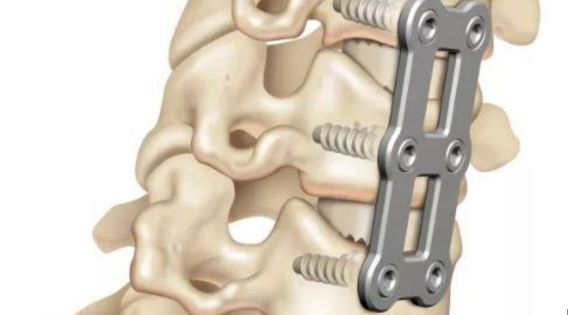
Unlike traditional open procedures, minimally invasive spine surgery generally uses smaller incisions and specialized instruments to reach the affected area. Depending on the patient’s condition, surgeons may perform procedures to remove a herniated disc, relieve pressure on compressed nerves, or stabilize a particular section of the spine. Advanced imaging and surgical technology can assist with accurate navigation and positioning during the procedure. However, the suitability of minimally invasive surgery depends on factors such as the type and severity of the spinal condition, the patient’s overall health, and previous spinal treatments.
Conditions That May Require Surgery
Several spinal conditions may be considered for minimally invasive treatment when conservative approaches have not provided adequate relief. These may include herniated or slipped discs, certain forms of spinal stenosis, nerve compression, degenerative spinal conditions, and selected cases requiring spinal stabilization. Patients experiencing persistent pain, numbness, tingling, muscle weakness, or difficulty with normal movement should undergo appropriate medical assessment rather than assuming surgery is necessary. A specialist can determine the underlying cause and recommend the most suitable treatment strategy.
Choosing a Spine Specialist in Kolkata
Finding the right specialist is an important decision when considering spinal surgery. Patients should look for experience in treating their specific condition, access to modern diagnostic and surgical facilities, and a comprehensive approach to postoperative care. Consulting a top spine surgeon in Kolkata can help patients understand the diagnosis, available treatment options, potential risks, and expected recovery before making an informed decision. A detailed consultation also provides an opportunity to discuss whether minimally invasive surgery is appropriate for the individual case.
Advanced Spine Care in India
Spine surgery has progressed significantly with improvements in imaging, surgical instruments, anaesthesia, and postoperative rehabilitation. These developments have expanded treatment possibilities for patients with complex spinal conditions. Individuals seeking a top spine surgeon in India should consider not only surgical experience but also their approach to diagnosis, patient selection, and long-term recovery. The best treatment plan is one that addresses the underlying condition while considering the patient’s lifestyle, medical history, and individual recovery goals.
Understanding Recovery After Surgery
Recovery can vary considerably depending on the type of procedure, the spinal condition being treated, the patient’s overall health, and whether complications occur. Patients researching minimally invasive spine surgery recovery time should understand that there is no single recovery period applicable to everyone. Some patients may resume light activities relatively quickly, while more complex procedures may require a longer rehabilitation period. Following postoperative instructions, attending recommended follow-up appointments, gradually increasing physical activity, and completing prescribed physiotherapy can all contribute to a safe recovery.
Taking the Next Step Toward Spine Health
Living with chronic spinal pain can limit work, exercise, sleep, and everyday activities. When conservative treatment no longer provides sufficient relief, discussing advanced surgical options with an experienced spine specialist can provide greater clarity. Minimally invasive techniques may offer a suitable treatment pathway for selected patients, but careful diagnosis and individualized planning remain essential. A specialist consultation can help patients understand their condition, explore available options, and make an informed decision about the next step toward improved spinal health and mobility.