When the first hard frost arrives, most people think about icy roads and late buses. Fewer think about the railway, even though the track spends every winter night outside, with no roof and no heating, carrying trains through snow, rain and long hours below freezing.
The cold season is a real test for every part of the line. Rails contract, the stone ballast fills with water, and the ground beneath can rise slightly as it freezes and settle again as it thaws. All of this movement passes through the beams that hold the rails in place.
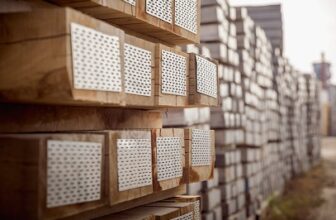
Many networks still rely on hardwood for those beams. Producers of railway sleepers made from beech and oak supply lines where timber suits the local conditions, and winter is one of the moments when the qualities of the material become easy to see.
How frost and moisture affect the tracks
Water is the quiet companion of every winter on the track. Rain and melting snow sink into the ballast, and if they cannot drain away quickly, they stay close to the timber for days or weeks. When the temperature drops again, that water freezes and expands.
Track engineers usually describe the winter pressure on a line through a short list of effects that repeat every year, more or less strongly depending on the region:
- freeze and thaw cycles in the ground under the track
- water that stays trapped in fouled ballast
- snow that hides small defects during walks along the line
- temperature changes that move the rails and fastenings
- heavier loads on sections where trains brake or start
Wood reacts to these conditions in its own way. A well-treated hardwood beam takes the movement slowly, keeps its grip on the fastenings, and returns to shape after each passing load. That flexibility is part of why timber is still chosen for many sections.
Why drainage matters so much
A dry track is a healthier track. When the ballast is clean and the side ditches are open, water leaves quickly and the timber spends less time in damp conditions. When the ballast is clogged with fine dust and mud, the opposite happens.
For this reason, many maintenance teams treat drainage as winter preparation in its own right. Clearing ditches, checking culverts and cleaning the stone layer are not glamorous tasks, but they often decide how well the line comes through the cold months.
Good drainage also helps the people who inspect the track. Fewer frozen puddles and less slush mean that small problems around the beams and fastenings are easier to spot before they grow.
Inspections before the cold sets in
Autumn is a busy time for track teams. Before the first snow, they walk the line, look closely at sections with a history of trouble and plan the work that cannot wait until spring.
The order of the work varies from one railway to another, but a typical pre winter routine often follows a similar path:
- walking the line and noting loose or damaged fastenings
- checking the ends of the timber for splits or soft spots
- looking at the level and alignment of the track
- clearing drainage paths along cuttings and embankments
- scheduling replacements for the weakest pieces
None of these steps is new. They have been part of railway work for generations, and they remain useful precisely because they are simple and repeatable. A beam replaced in October is one less worry in January.
Switches and bridges need extra care
Some parts of the network deserve more attention than others in winter. Switches and crossings have moving parts, longer timber pieces and many fastening points, so ice and packed snow can cause trouble there more quickly than on plain track.
Open deck bridges are another sensitive place. The timber rests directly on the steel or concrete structure, without a bed of stone to soften the load, and it is exposed to wind and moisture from every side. Regular checks on these sections are a normal part of the season.
In both cases, the shape and size of each piece follow the layout of the track or the bridge. That is why such components are usually produced to order and replaced carefully, piece by piece, during short closures.
Planning replacements around the season
Winter is rarely the preferred time for large renewal works. Short daylight, frozen ground and snow make heavy work slower, so many railways concentrate major projects in the warmer months and keep winter for inspections and urgent repairs.
This rhythm affects the whole supply chain. Timber for spring projects is often ordered during autumn and winter, which gives producers time to cut, dry, treat and check each piece before delivery. Planning ahead helps the material arrive in good condition and in the right quantities.
For smaller lines, such as industrial sidings or port tracks, the logic is similar. A modest stock of replacement pieces kept on site can make a winter repair much quicker, especially when deliveries are slowed by weather.
A quiet season under the snow
Most of the winter work on a railway happens out of sight. Passengers see a train arriving on time through a white landscape and rarely think about the inspections, the cleared ditches or the timber that carried the load all night.
Yet the season leaves its mark on every part of the track. Lines that were checked and prepared in autumn tend to reach spring with fewer surprises, and the teams that look after them can plan the next round of work calmly.
Under the snow, the old partnership between steel, stone and wood keeps doing what it has done for a very long time. It is not spectacular, but it is reliable, and on a cold winter morning reliability is exactly what travellers want.